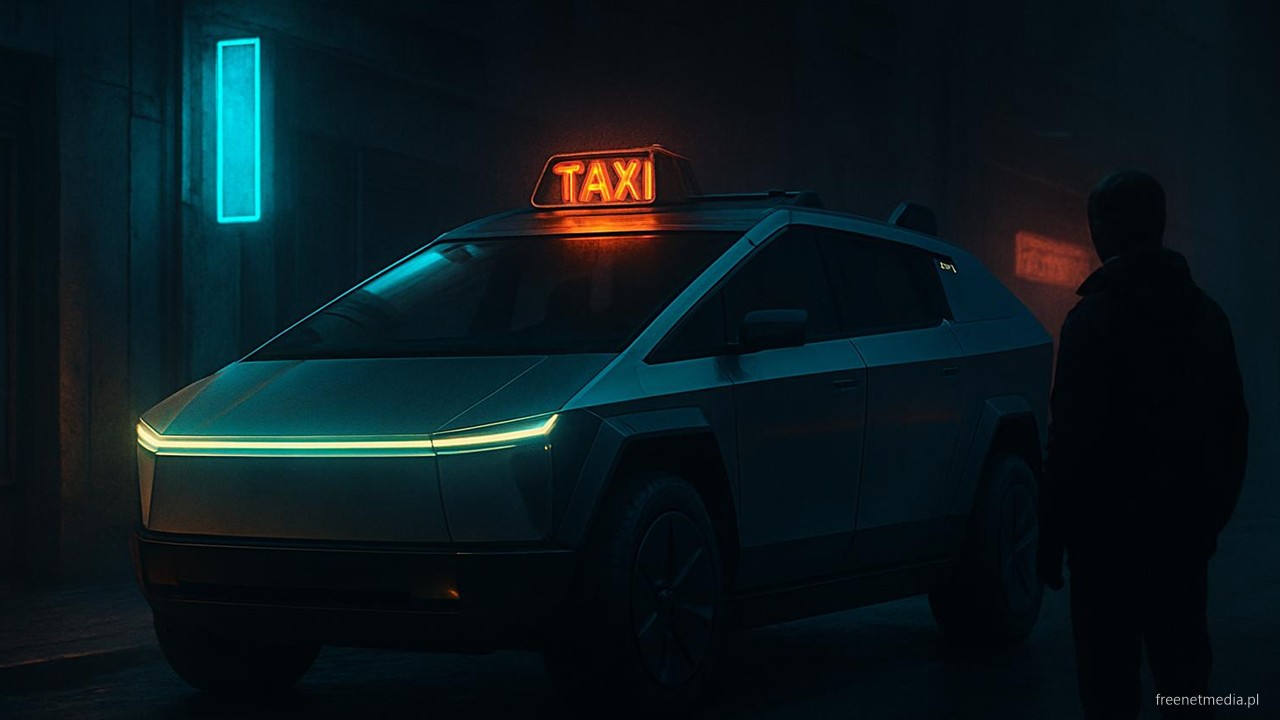
Co napisał Gemini?
Tesla's Cybercab is already getting weird with unexpected quirks showing up in its operations, sparking discussions on its readiness. Additionally, a Boston Dynamics spinout has emerged from stealth, marking an important entry in the robotics sector.
2
Grok on the same story
Tesla investors could see big risks if Cybercab quirks turn into delays that burn cash and push back autonomous ride-hailing revenue. The piece flags early weirdness but leaves open how much these glitches might raise liability costs, slow permits, or hurt margins once real-world scaling begins, especially with fresh robotics rivals entering the field.
3
Claude on the same story
The "weirdness" label hints at user experience friction that could hand an opening to Waymo and Cruise, who've already logged millions of autonomous miles with fewer PR hiccups. If riders balk at odd behavior—unexpected stops, confusing door mechanisms, or clunky app handoffs—network effects never ignite and Tesla's first-mover manufacturing edge evaporates. Winners might be regulators who gain leverage to impose stricter testing requirements, and established taxi unions that can point to safety concerns to slow rollout timelines. What remains murky is whether these quirks stem from fixable software bugs or deeper design choices baked into the Cybercab's architecture; the article doesn't clarify if Tesla plans a recall-style over-the-air patch or a hardware redesign. Also unclear: how insurance underwriters will price policies when "weird" incidents pile up in claims data, potentially saddling operators with uneconomic premiums that kill unit economics before the fleet reaches critical mass.
4
ChatGPT on the same story
As we examine Tesla's Cybercab, key aspects need scrutiny: how unique quirks impact user trust, the implications for regulatory approvals, and the potential responses from competitors. The balance between innovation and safety will shape the future of autonomous ride-hailing.