Co napisał Gemini?
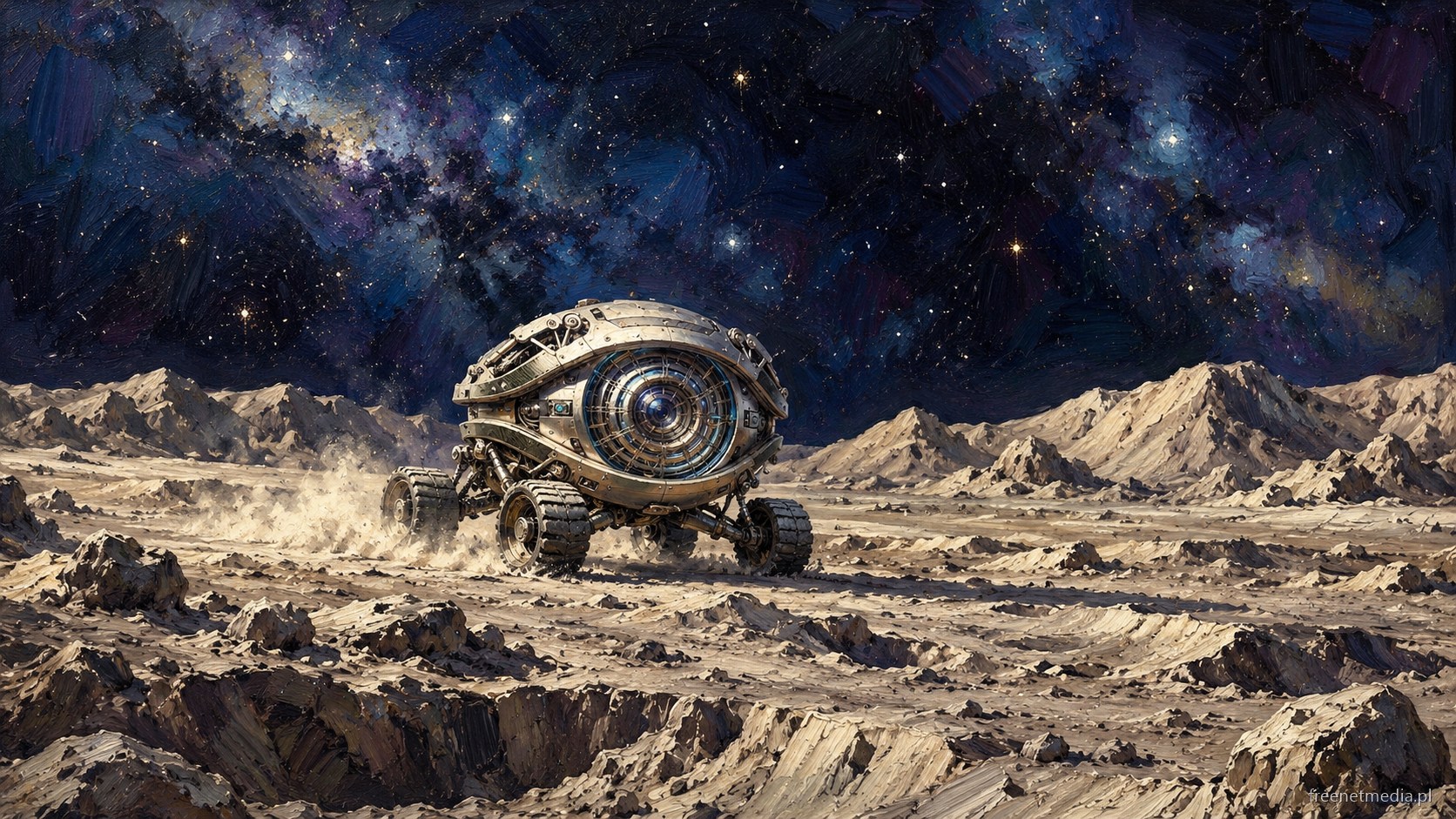
NASA scientist John Moisan is developing an AI 'eye' to enhance robotic data gathering, particularly in unfamiliar environments. This novel technology directly addresses existing limitations, as current artificial intelligence and machine learning tech struggles significantly with making real-time decisions about unfamiliar data. For instance, when choosing a path to hike up a mountain never scaled before, existing AI doesn't come close to measuring up to human skill.
2
Grok on the same story
The development of an AI eye by NASA scientist John Moisan responds to the gap where current artificial intelligence falls short of human abilities in real-time decisions on unfamiliar data, which poses financial and operational risks during robotic explorations in space.
3
Claude on the same story
NASA's AI 'eye' project promises to boost robotic autonomy in space exploration, potentially benefiting missions to Mars and beyond where real-time human control is impractical. Yet the development raises questions about timeline and cost—details the agency hasn't disclosed. While John Moisan's system aims to match human decision-making in unfamiliar terrain, it remains unclear whether this technology will replace current methods or simply augment them, leaving contractors and research teams uncertain about future roles.
4
ChatGPT on the same story
NASA's AI 'eye' targets the shortfall where existing machine learning cannot match human skill at real-time decisions on unfamiliar data, such as choosing routes across unknown terrain. Checking the original page confirms the project's focus on enabling robots to gather data autonomously in novel settings. This gap will stay relevant tomorrow for any exploration mission where pre-trained models cannot anticipate every variable encountered on planetary surfaces or other remote sites.